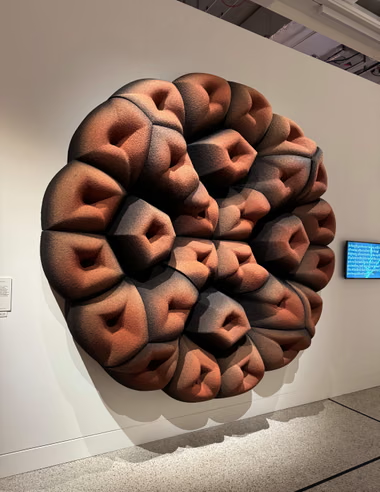
The Transspecies Rosette by Andrés Jaque
The Transspecies Rosette, a remarkable creation by architect Andrés Jaque, serves as an innovative façade element that reinterprets the concept of building surfaces. Constructed from cork, a soft and sustainable material, this architectural piece is not merely aesthetic; it is thoughtfully designed to promote biodiversity. The unique surface facilitates the growth of various life forms, providing a habitat for mosses, grasses, bacteria, molds, and a multitude of other microorganisms.
From July 1 to October 5, 2025, the Design Museum will explore how design can benefit the planet by focusing beyond human needs. The design of the Transspecies Rosette emphasizes the importance of integrating nature with urban environments. By allowing these organisms to thrive, the façade transforms into a living ecosystem, contributing to the building’s ecological footprint and enhancing its relationship with the surrounding environment. This approach not only supports local biodiversity but also fosters a deeper connection between human-made structures and the natural world, ultimately creating a more harmonious living space for all species involved.
In traditional architectural design, the façade of a building is often envisioned primarily as a protective barrier. Its main purpose is to shield the interior spaces from external elements such as weather and pollution, creating a safe and comfortable environment for occupants. However, this perspective can be expanded to recognize that the surface of a building has the potential to serve a dual purpose. Instead of merely acting as a fortress against the outside world, the façade could be designed to embrace and invite the presence of diverse species, thereby fostering a more integrated relationship with nature.
Imagine a future where the materials and structures used in building façades are engineered to be more porous and adaptable, allowing for the establishment of living organisms such as plants, insects, and birds. By incorporating features like vertical gardens, green roofs, or specially designed niches within the building’s skin, we can create a micro-ecosystem that thrives alongside urban life. This transformation would not only enhance biodiversity in often sterile urban settings but also cultivate a deeper emotional and psychological connection between city dwellers and the natural world surrounding them.
Such innovative design approaches would encourage inhabitants to engage with their environment more consciously, appreciating the interconnectedness of all life forms. Envision cities that are not just places of human habitation, but vibrant ecosystems where nature coexists with the built environment, creating a richer, more dynamic urban experience that bridges the divide between the constructed and the natural.
September 3, 2025
Words: Poupak Seyedan