
How Bio-Composite Materials Are Transforming Sustainable Furniture from Eco-Friendly to Exquisite
The article covers the emergence of bio-composite materials, specifically Mycelium-Based Composite (MBC), as a major highlight at 3daysofdesign 2026 in Copenhagen. Dutch design studio Aifunghi showcased their “Outspoken” collection—sculptural furniture and lighting made from mycelium grown on hemp fibers. The pieces were presented at the Material Matters exhibition and positioned as high-end, long-lasting luxury items, not disposable eco-products.
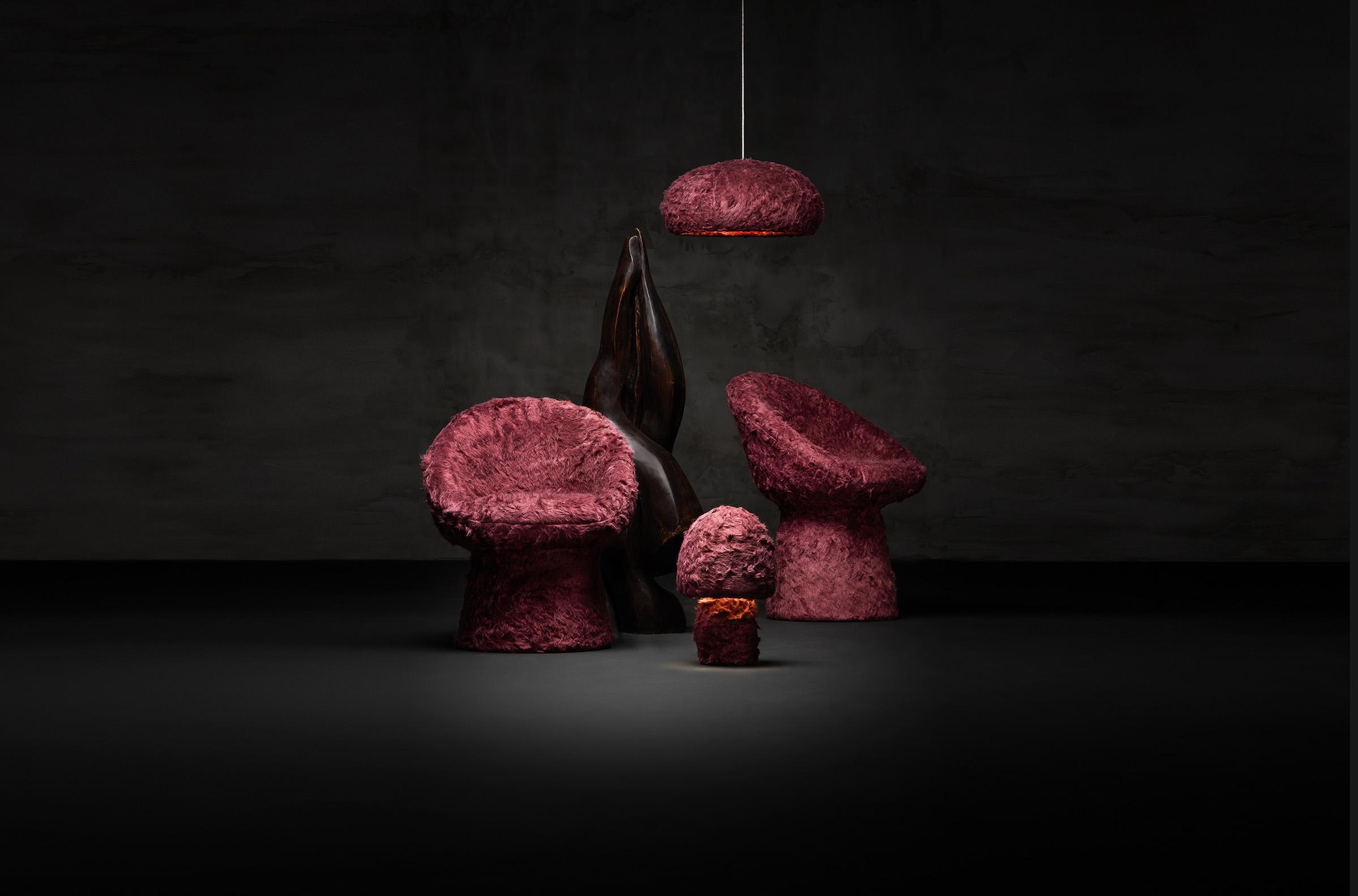
Copenhagen’s 3daysofdesign 2026 was a showcase of innovation, but one category of materials stood out as a genuine game-changer: bio-composite materials. While the festival buzzed with 572 exhibitors across eight design districts, it was the Dutch design studio Aifunghi that captured the imagination of visitors with their sculptural furniture and lighting—all grown from fungi.
What Are Bio-Composite Materials?
Bio-composite materials are created by combining natural fibers (like hemp, flax, or wood) with a biological binder. In the case of Mycelium-Based Composite (MBC), the binder is mycelium—the intricate root network of mushrooms. The mycelium digests agricultural waste, binding it into a dense, solid structure. After drying, these bio-composite materials become surprisingly durable and rigid.
Aifunghi presented their second collection, titled “Outspoken,” which featured seven new pieces. These weren’t rustic or raw; they were sleek, textured, and finished with mineral paints for enhanced resilience. The studio collaborated with ceramicist Elisa Uberti on the Eryngi lamp series and visual artist Vito Boox, proving that bio-composite materials are as much an artistic medium as they are a construction one.
Luxury Without the Environmental Guilt
Perhaps the most striking message from Aifunghi was their positioning of bio-composite materials for long-lasting luxury—not disposable eco-packaging. By pricing their pieces in line with premium furniture and emphasizing craftsmanship, they challenged the notion that “sustainable” means “compromised.”
Their work was featured prominently at the Material Matters platform, held at Ukraine House, Gammel Dok. This exhibition focused on how intelligent material choices—particularly bio-composite materials—can be transformative, not just for the planet but for the soul of design. As the festival’s theme, “Make This Moment Matter,” suggested, Aifunghi’s pieces invited visitors to contemplate presence, materiality, and responsibility.
Why Bio-Composite Materials Matter Now
In an era where the design industry is grappling with its carbon footprint, bio-composite materials offer a compelling alternative to plastics and foams. They are biodegradable, carbon-negative during production, and require minimal energy to grow.
Aifunghi isn’t just making furniture; they are pioneering a movement. They believe they are among the first high-end design brands to use bio-composite materials at scale, and their presence at 3daysofdesign 2026 signaled a clear shift: the future of design is grown, not manufactured.