
Discover inspiring approaches, creative solutions, and real-world examples that connect environmental responsibility, cultural value, and human-centered design.
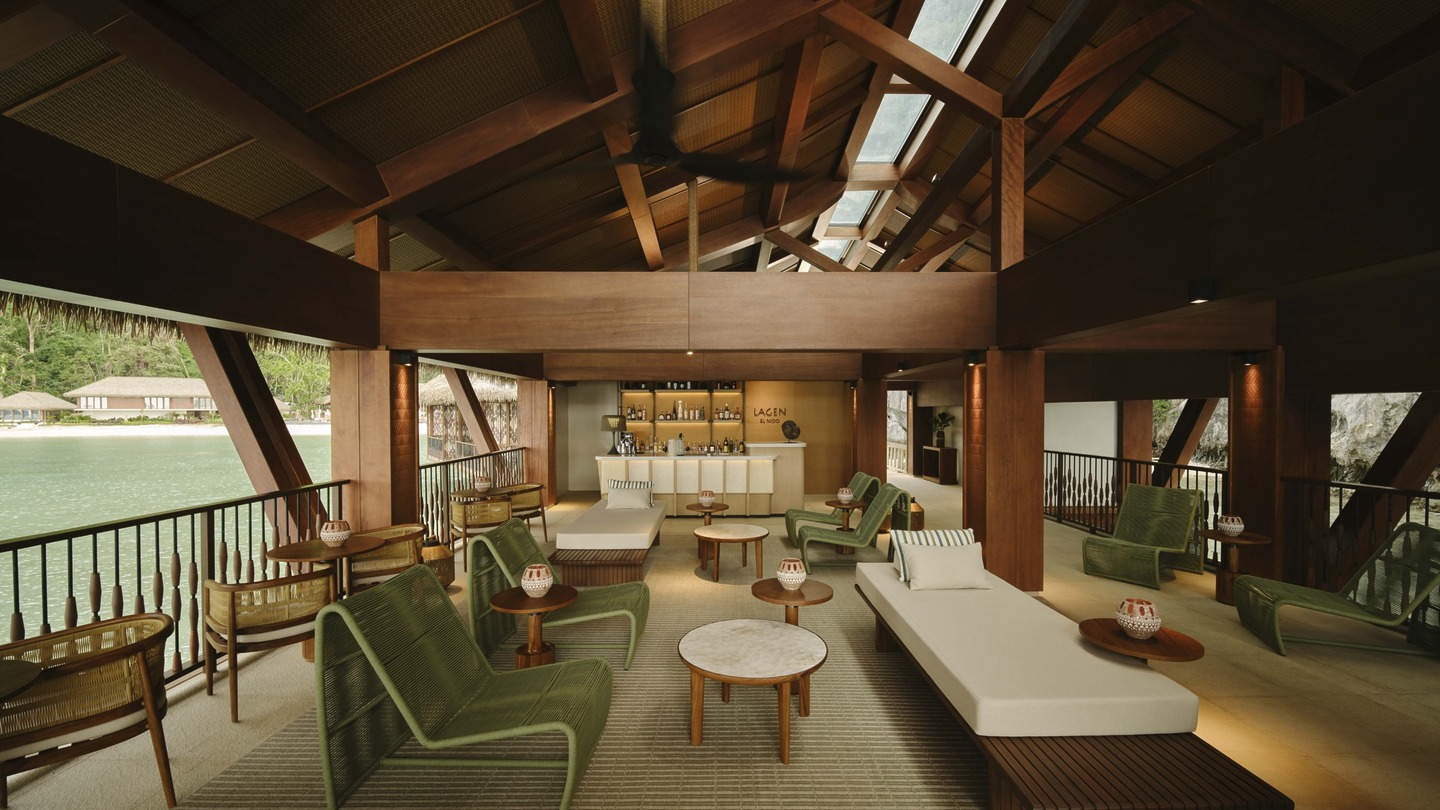

Lagen Island Resort: Adaptive Reuse in Sustainable Interior Design
Lagen Island Resort in El Nido, Philippines, demonstrates how adaptive reuse can shape sustainable hospitality interiors. The project illustrates how preservation, material reuse, cultural identity, and contemporary design can work together to create a renewed interior without discarding the value of what already exists.
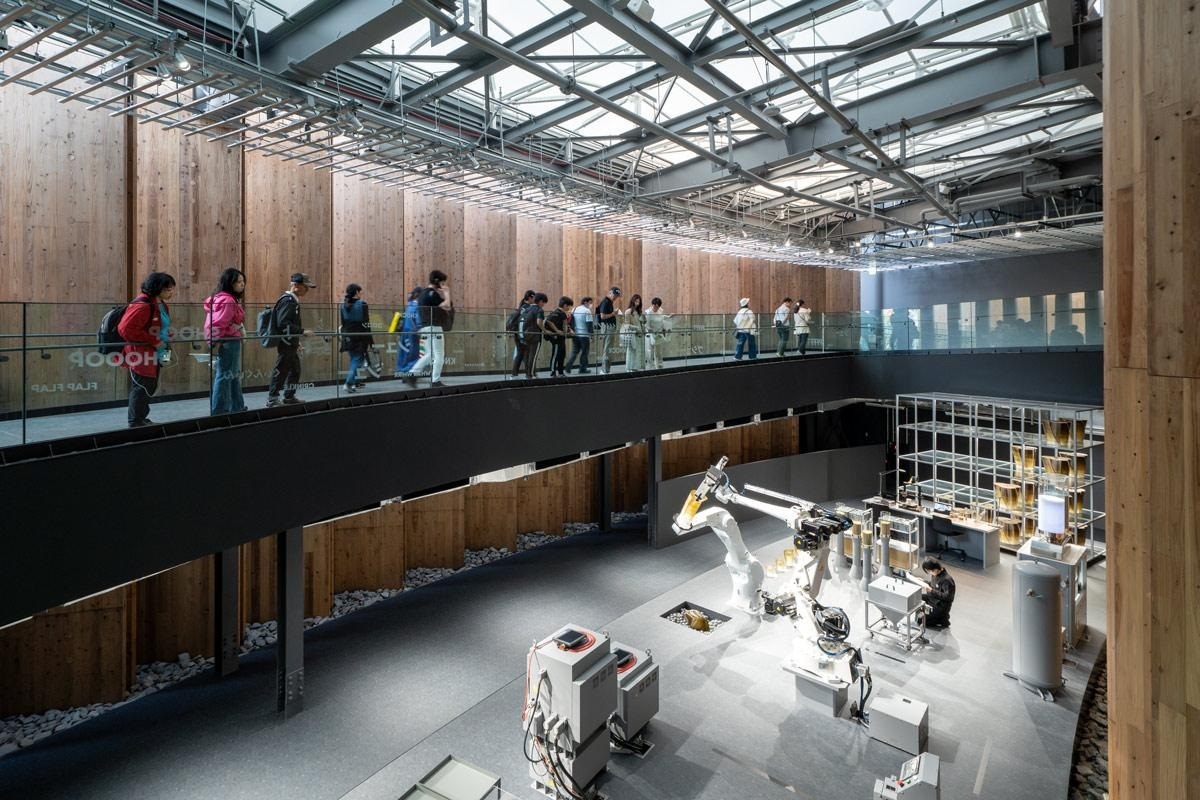
Circular Interior Design: From Expo to Tokyo
This case study examines a pioneering circular interior design project in Tokyo that repurposed materials from Expo 2025 Osaka for the Alcazar renovation in Ebisu. The project demonstrates a scalable model for circular interior design, challenging the default assumption of newness and redefining the designer’s role as a resource steward.
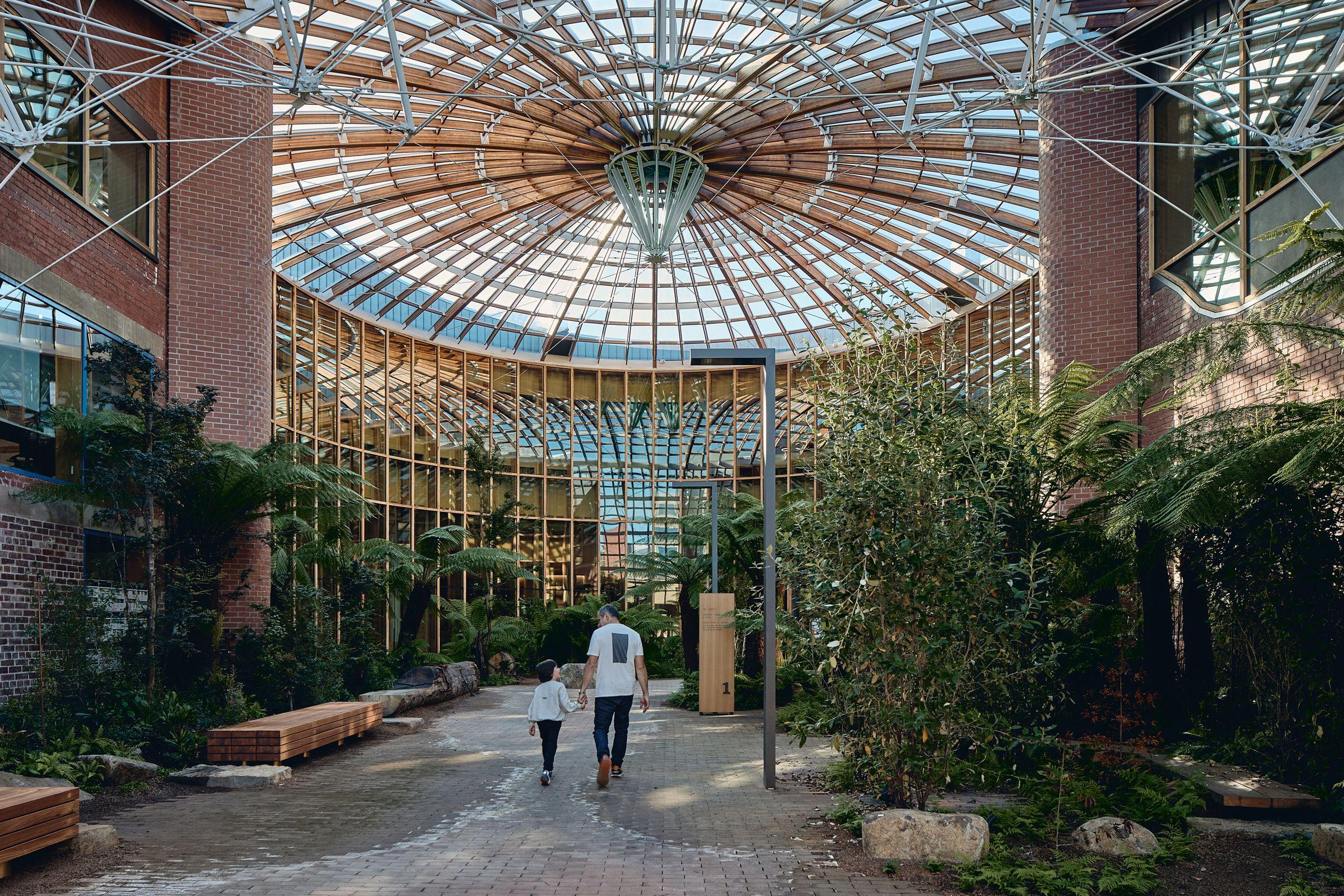
Biophilic Interior Design at Civic Scale
The Forest is a Hobart university campus interior transforming heritage warehouses and a glass dome atrium into a biophilic learning environment. This civic interior demonstrates how adaptive reuse and natural materials create inspiring, low-carbon educational spaces.
Sustainable Interior Architecture as Climate Action
Award-winning Landing Bakery achieves 84% embodied carbon reduction through circular interior design, showcasing sustainable interior architecture in commercial hospitality..
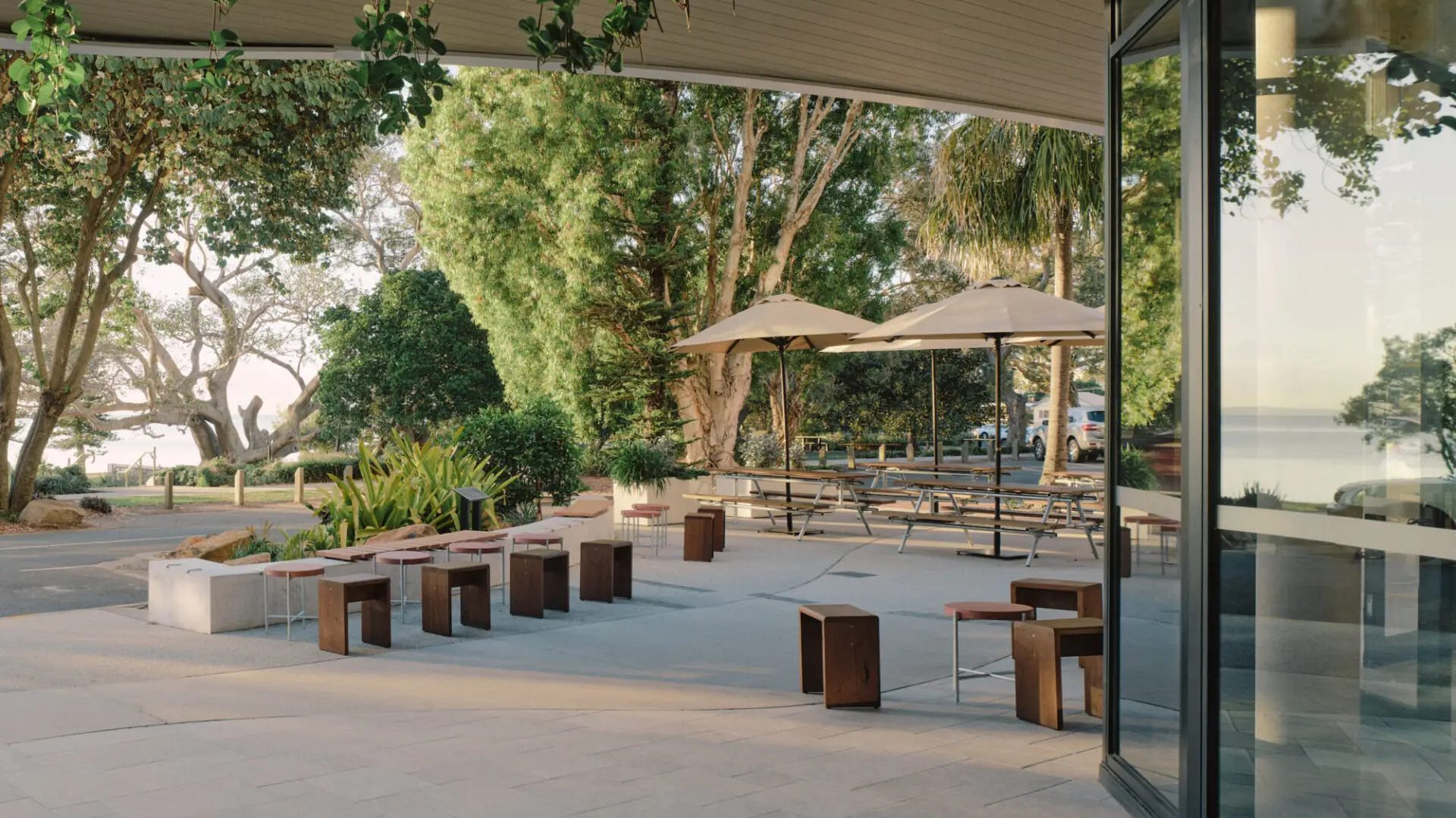
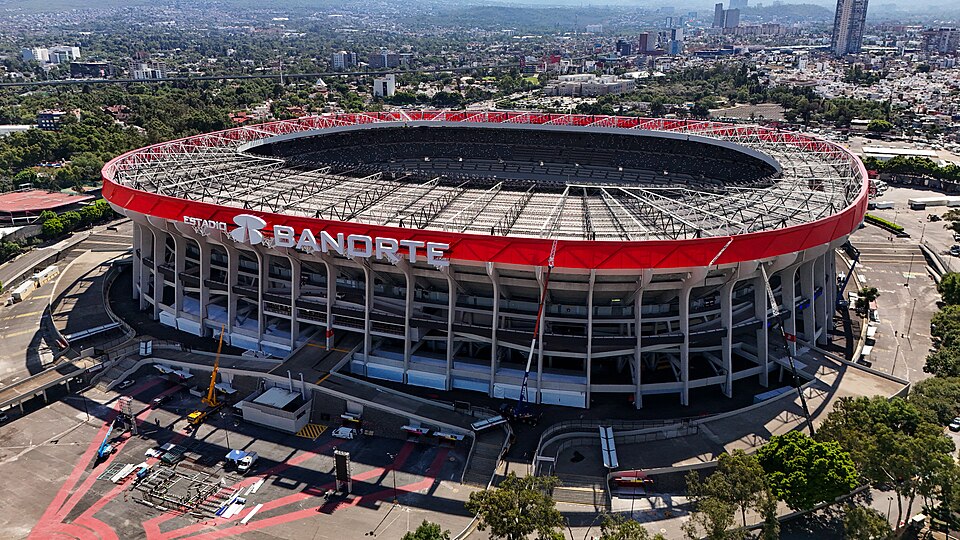
Inside the Azteca Stadium’s Human-Centered Transformation
Discover how Mexican designers transformed the Azteca Stadium through human-centered transformation—using color, scale, and custom furniture to create intimate experiences within a monumental space.