
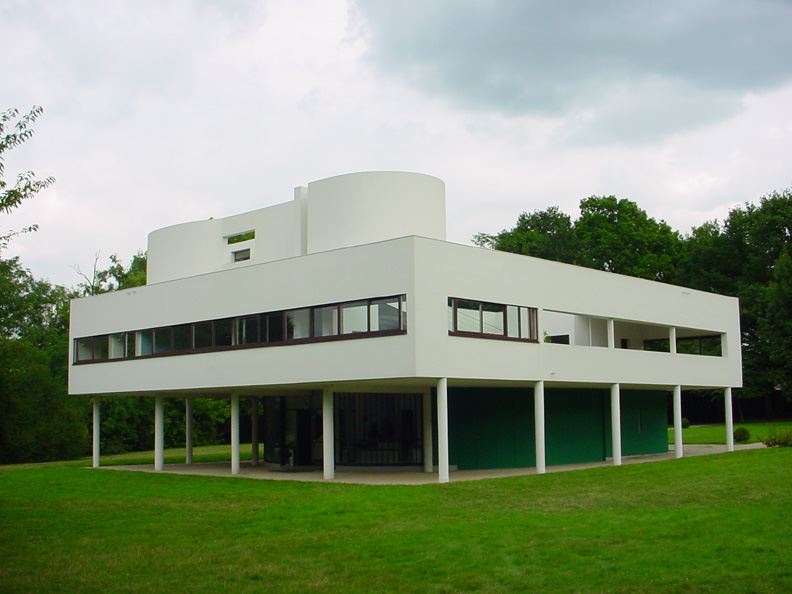
The evolution of modern architecture marks a major shift in urban design and organization. It has transformed both our built environment and the social ideas that shape it. Modern architecture is guided by key design principles influenced by advances in engineering, materials science, health, and social equity. These principles promote social cohesion and are reflected in housing, infrastructure, and community planning.
Defining Modern Architecture
Modern architecture is a stylistic and ideological movement that grew out of Modernism. Modernism redefined social, artistic, and cultural norms. The movement encouraged bold experimentation and broke away from traditional architectural rules. It allowed for more creative expression across art, literature, music, and architecture. Modern architecture gained prominence in the 20th century, especially after World War I. Its roots, however, go back to the Renaissance in Florence, about 400 years earlier. That era saw the rise of Humanism, Scientism, and the Enlightenment—ideas that helped pave the way for the Industrial Revolution.
Advances in engineering, materials, health, social equity, and industry pushed traditional architecture aside. These changes created the perfect conditions for a new era in design. Modern architecture emerged to meet the urgent needs of growing cities. Rapid urbanization, fueled by rural migration and immigration, demanded new solutions. The rise of industries like steel production also played a key role. Mass production methods and modern materials made it possible to build faster, smarter, and more efficiently. Modern architecture proved its value by adapting to these social and industrial challenges.
Globally, the proliferation of modern architectural principles has resulted in a rich tapestry of regional adaptations, addressing local climatic, cultural, and aesthetic needs. This international diffusion, alongside the contextual diversifications, has fostered a cohesive yet diverse architectural identity within the larger design community. Additionally, modern architects have critically assessed the impact of material selection on architectural expression and performance.
The foundational ideology and design principles of modern architecture are encapsulated in five critical pillars: cutting-edge materials, engineering innovations, the principle of form following function, occupant comfort and health considerations, and the pursuit of social progress. These pillars delineate the core tenets steering contemporary architectural design and construction practices.
1. Cutting-Edge Building Materials
Before the dawn of the 20th century, architects and builders primarily relied on traditional construction materials such as brick, stone, and wood. While these materials were known for their durability, they imposed significant limitations on architectural design and innovation. However, the turn of the century ushered in a transformative era marked by groundbreaking scientific advancements that led to the development of new construction materials.
The widespread availability of mass-produced glass enabled the creation of expansive, light-filled spaces that were previously unattainable. Steel, celebrated for its remarkable tensile strength, provided the structural support necessary for constructing taller, more ambitious buildings. Reinforced concrete, an innovative composite formed by embedding steel bars or mesh within concrete, revolutionized the ability to achieve both form and function in structures. Additionally, cast iron allowed architects to create intricate designs and sturdy frameworks.
These advancements opened an exciting new realm for architects and builders, empowering them to experiment with creative forms and innovative designs that defied traditional constraints. As a result, the architectural landscape began to evolve dramatically, laying the foundation for modern architecture as we know it today.
2. Engineering Innovations
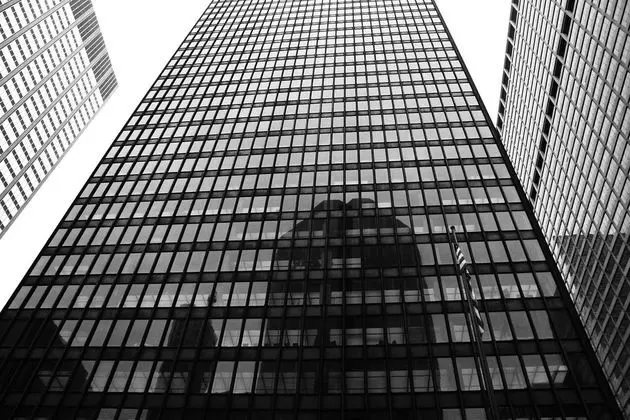
Advances in engineering have made it possible to use new materials that don’t rely on thick, load-bearing walls. This allowed architects to design taller buildings, including skyscrapers. Structures became slimmer, lighter, and featured large glass facades. Open floor plans became popular, creating spacious interiors with fewer walls. Architects also explored more creative exterior forms that traditional methods couldn’t support. In the early days of modern architecture, many designers experimented with new materials without fully understanding how they would age. As a result, some of these buildings are now showing signs of wear.
3. Forms folows Function
Prior to the emergence of Modernism, architects frequently sought inspiration from a rich tapestry of historical styles and architectural forms. Throughout the 19th century, several prominent styles dominated the architectural landscape, including Beaux-Arts, Gothic Revival, and Neoclassicism. These styles often prioritized aesthetic pleasure and historic references over the specific functional needs of a building. The design choices made by architects from this era displayed a tendency to draw upon classical elements, opulent detailing, and symmetrical proportions without a strong emphasis on the building’s intended use. However, the advent of Modernism shifted this paradigm significantly. The core tenet of Modernist architecture is the belief that a building’s purpose should fundamentally shape its aesthetic.
A quintessential example illustrating these Modernist principles is Alvar Aalto’s design for the Paimio Sanatorium, completed in 1932 specifically for the treatment of tuberculosis patients. Aalto meticulously selected materials that not only ensured ease of maintenance but also fostered a hygienic environment. He consciously avoided sharp edges and excessive decorations that could accumulate dirt, emphasizing the building’s practical needs. Importantly, he included large windows to facilitate “light therapy,” a treatment believed to aid tuberculosis recovery by maximizing natural light exposure. Furthermore, Aalto’s thoughtful design organized different departments into distinct wings, optimizing the flow of light and air, ultimately enhancing the functionality and well-being of its occupants.
By the 1980s, Modernism began to face criticism. Some architects started to question the strict minimalism that had defined the style. The idea that architecture should drive social progress seemed less relevant in a world shaped by rapid technological and cultural change. Critics argued that Modernism had become rigid and limiting, stifling creativity. As a result, architects began to move away from the “form follows function” rule. Ornamentation returned, and traditional styles were reintroduced.
Architecture was no longer seen as purely functional. It became a way to express personality, context, and beauty in complex ways. This shift gave rise to Postmodernism—a movement marked by eclectic styles, historical references, humor, and bold design. Today, 21st-century architecture resists being placed in a single category. It blends Modernist principles with sustainability, new technologies, and diverse aesthetic choices. Architects and clients now favor a mix of simplicity and decoration. As long as core Modernist values are respected, modern architecture can still include expressive, decorative elements. Its legacy continues to evolve, reflecting changing cultural and design values.
4. Comfort and Health in Architecture
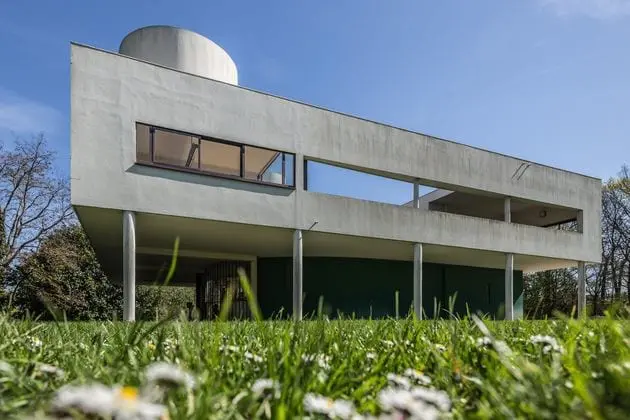
The idea that a home or commercial building should prioritize the comfort of its occupants is a relatively modern concept, rooted in the principles of the Modernist movement that emerged in the early 20th century. This transformative era in architecture introduced innovative ideas that reshaped the design and experience of spaces. Among the most significant contributions of Modernism are the enhanced connection between indoor environments and nature, the creation of spacious and open interiors, and the generous incorporation of natural light.
As scientific understanding advanced throughout the 20th century—particularly in areas such as disease prevention, hygiene, nutrition, and overall well-being—architects began to embrace these insights, integrating design elements that foster health and comfort. This shift marked a departure from pre-modern architectural practices, which often prioritized aesthetics or practicality over the well-being of inhabitants. Traditional structures typically featured small, often shuttered windows that maximized privacy and security while minimizing exposure to the outside environment. These buildings often consisted of a labyrinth of numerous rooms and walls, resulting in isolated spaces and a disconnection from nature.
In contrast, Modernist architecture redefined this relationship by promoting open floor plans that encourage fluid movement and interaction within spaces. Large windows and glass walls became essential components, allowing abundant natural light to flood interiors. This not only enhances the aesthetic appeal of a space but also supports psychological well-being, as exposure to natural light is linked to improved mood and productivity. Furthermore, the Modernist focus on sustainability and accessibility reflects a commitment to the health of both individuals and the broader environment, making comfort and well-being fundamental aspects of contemporary architectural design.
5. Social Progress
The 20th century saw major social movements that reshaped ideas of human rights and equality—especially around women’s and labor rights. During this time, awareness of social inequality grew. People began to believe that everyone deserved access to quality housing, fair workplaces, and well-designed public spaces, regardless of their background. These social changes, combined with new mass-production techniques, helped spread the Modern aesthetic across many building types. Homes, offices, schools, stadiums, transit hubs, and libraries were all influenced by this shift. At the core of these designs was functionality. Modernism promoted the idea that good architecture should serve everyone—not just the elite. While the movement didn’t always succeed in this goal, it set a powerful ideal. The belief in universal, accessible design remains a guiding influence in architecture today.
Frequently Asked Questions (FAQ)
Modern architecture emphasizes simplicity, functional design, innovative materials, open spaces, natural light, and a break from historical ornamentation. It values occupant comfort, health, and social inclusivity.
It addressed rapid urbanization, industrial growth, and social inequality by promoting efficient housing, accessible public spaces, and functional buildings using mass-production methods and sustainable principles.
Yes. While modernist ideals have evolved, many contemporary buildings continue to integrate its core principles—such as minimalism, sustainability, and functional design—alongside newer trends like postmodern aesthetics and cutting-edge technologies.
No responses yet